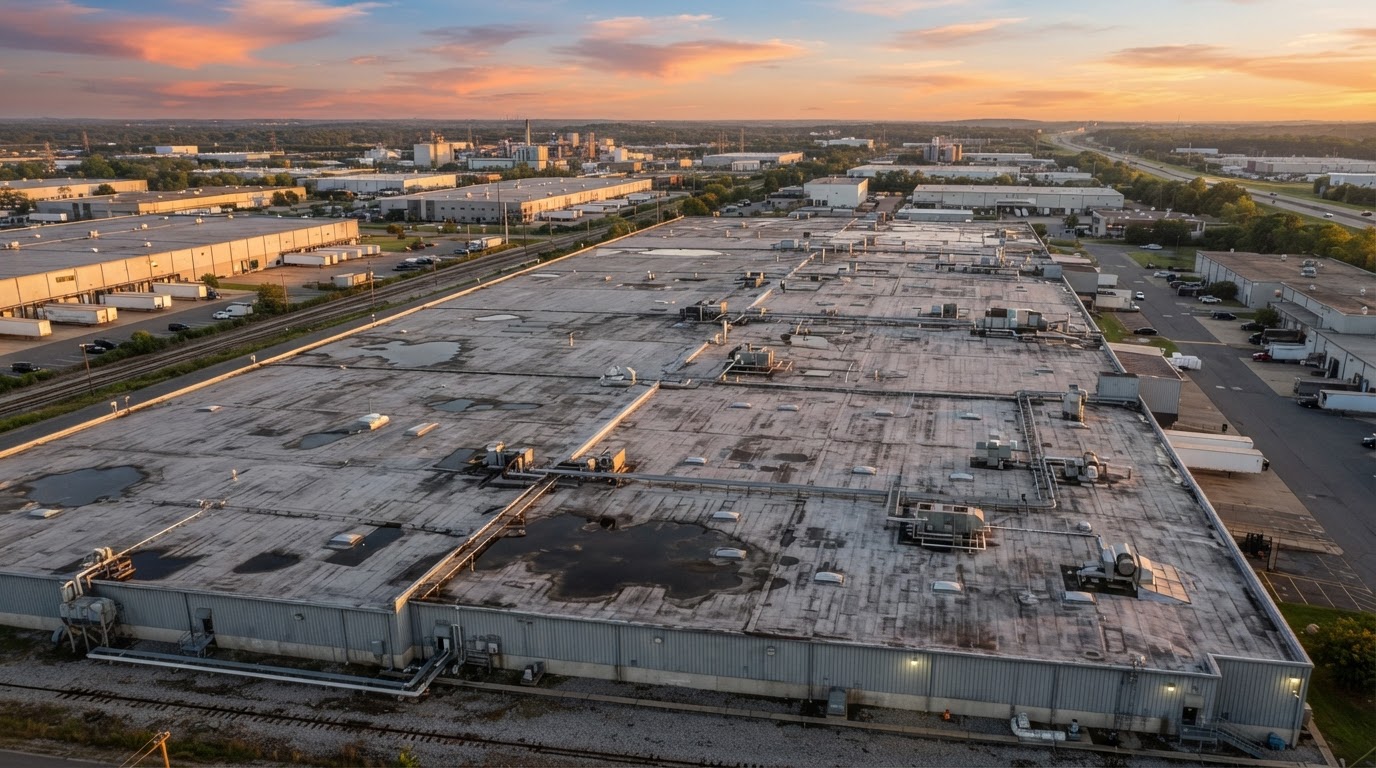
Roof coatings come up frequently when commercial property owners start researching options for an aging or leaking roof. They're widely used, but they're also widely misunderstood. This article offers a straightforward look at what roof coatings are, how they're applied, and where they fit within the broader range of roofing options.
What is a roof coating?
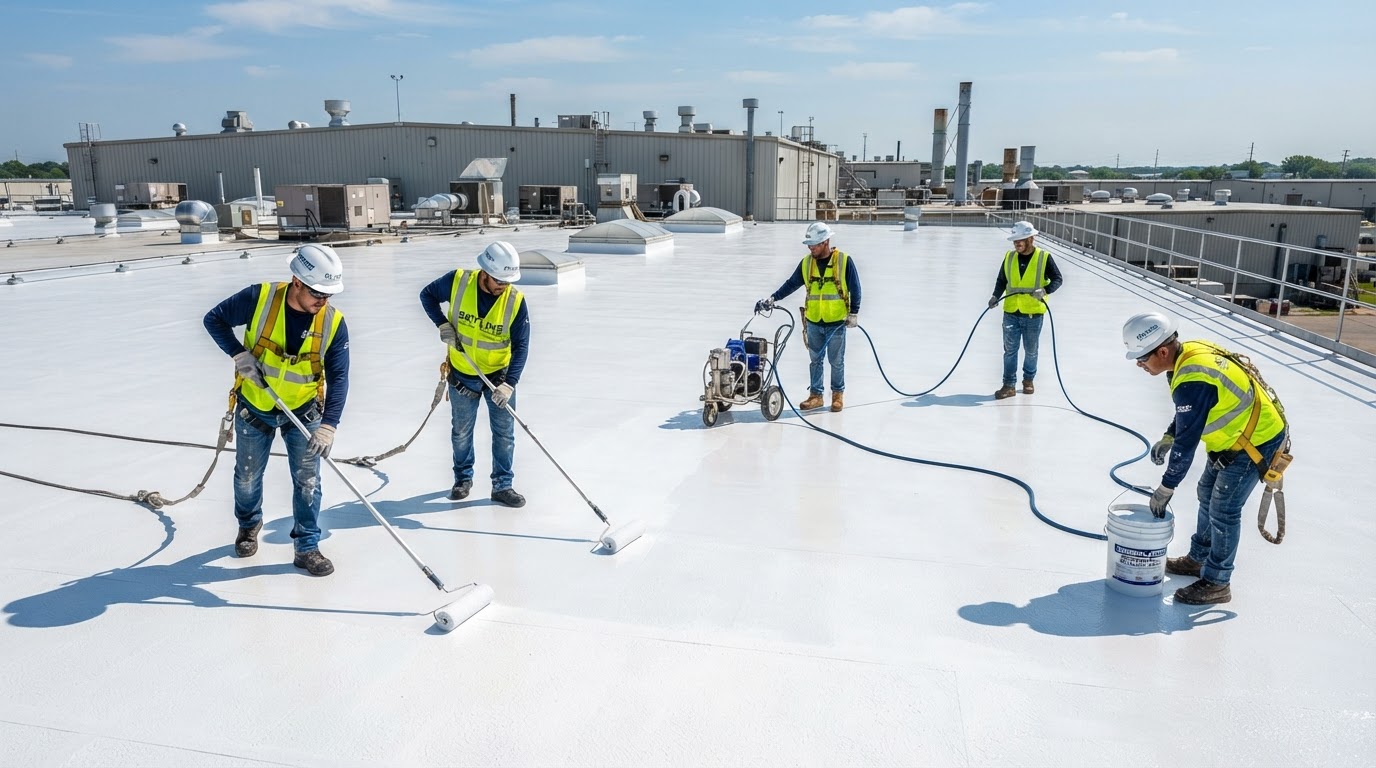
A roof coating is a fluid-applied membrane installed over an existing roofing surface. Rather than replacing the roof, a coating adds a protective layer designed to help shield the underlying system from water, UV exposure, and temperature cycling. Coatings are typically applied to flat and low-slope commercial roofs.
How coatings are applied
A coating project generally follows a sequence: cleaning the roof, repairing damaged areas and seams, reinforcing weak points, and then applying the coating in one or more layers. Proper preparation matters — a coating is only as reliable as the surface it's applied to.
Common coating types
- Silicone coatings — known for weathering resistance and ponding-water tolerance
- Acrylic coatings — cost-effective and reflective, often used in drier climates
- Polyurethane coatings — offer good impact and foot-traffic resistance
- Asphalt emulsions — used on certain built-up and modified bitumen systems
The right coating for a given roof depends on the existing membrane, climate, roof slope, and how the roof is used. A qualified professional can help match the coating system to the conditions.
What coatings can and can't do
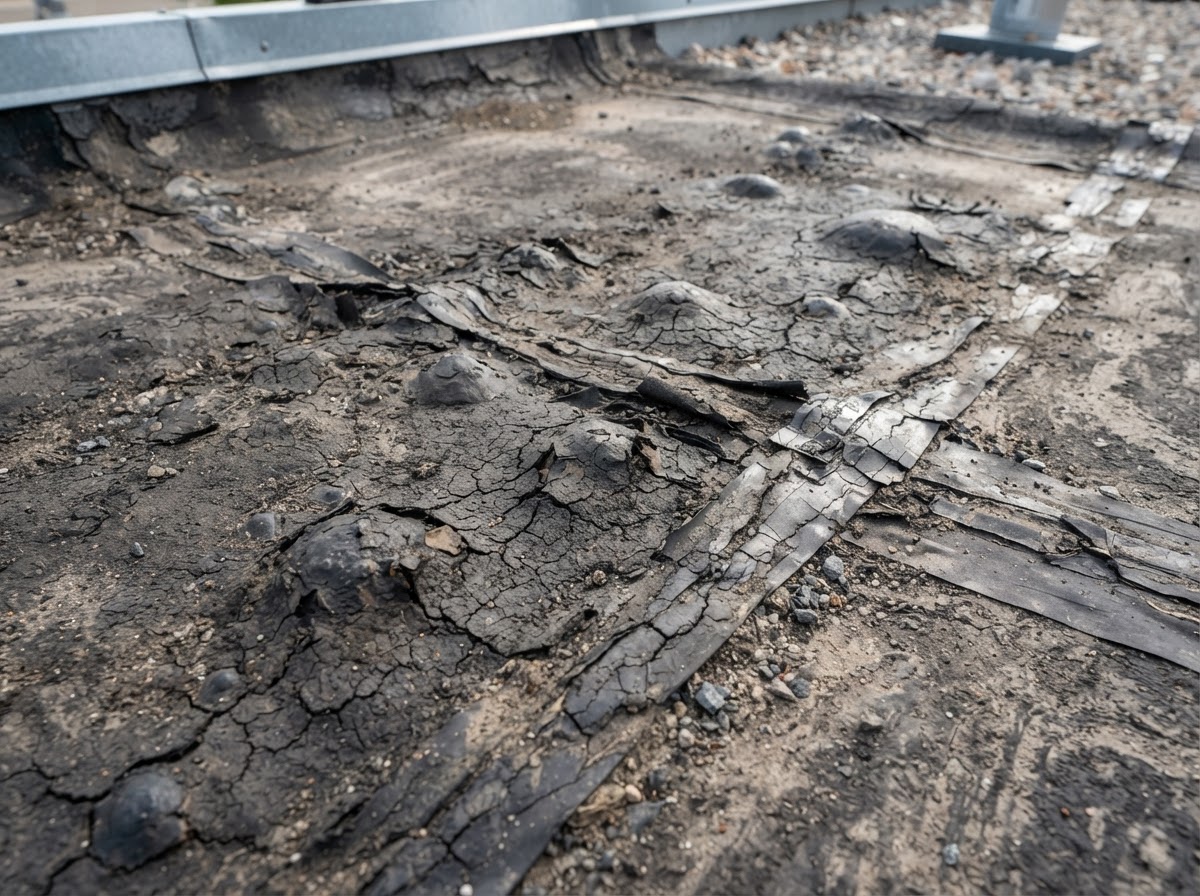
A coating can help protect a sound roof and may extend its serviceable life, but it is not a substitute for a roof that has structurally failed. Coatings don't fix saturated insulation, damaged decking, or widespread membrane failure. They're best understood as one option within a larger toolkit.
Is a coating right for your roof?
That depends on the existing system and its condition. The most reliable way to find out is to have the roof evaluated so you can compare coating against repair, restoration, and replacement on the merits of your specific situation.